
Workshop
For the person who owns a programme that is already running.
Eighteen months into a mandate, the question changes from whether it works to what it returned.
episcope is an AI research and consulting studio working on the cognitive new deal: how AI augments your capabilities while preserving judgment, attention and control.
In short: AI, on your own terms.
Four ways in
I run episcope on my own and build with these tools daily, which is where all of this comes from.
For the person who owns a programme that is already running.
Eighteen months into a mandate, the question changes from whether it works to what it returned.
For the person programming a stage, a summit or an internal flagship.
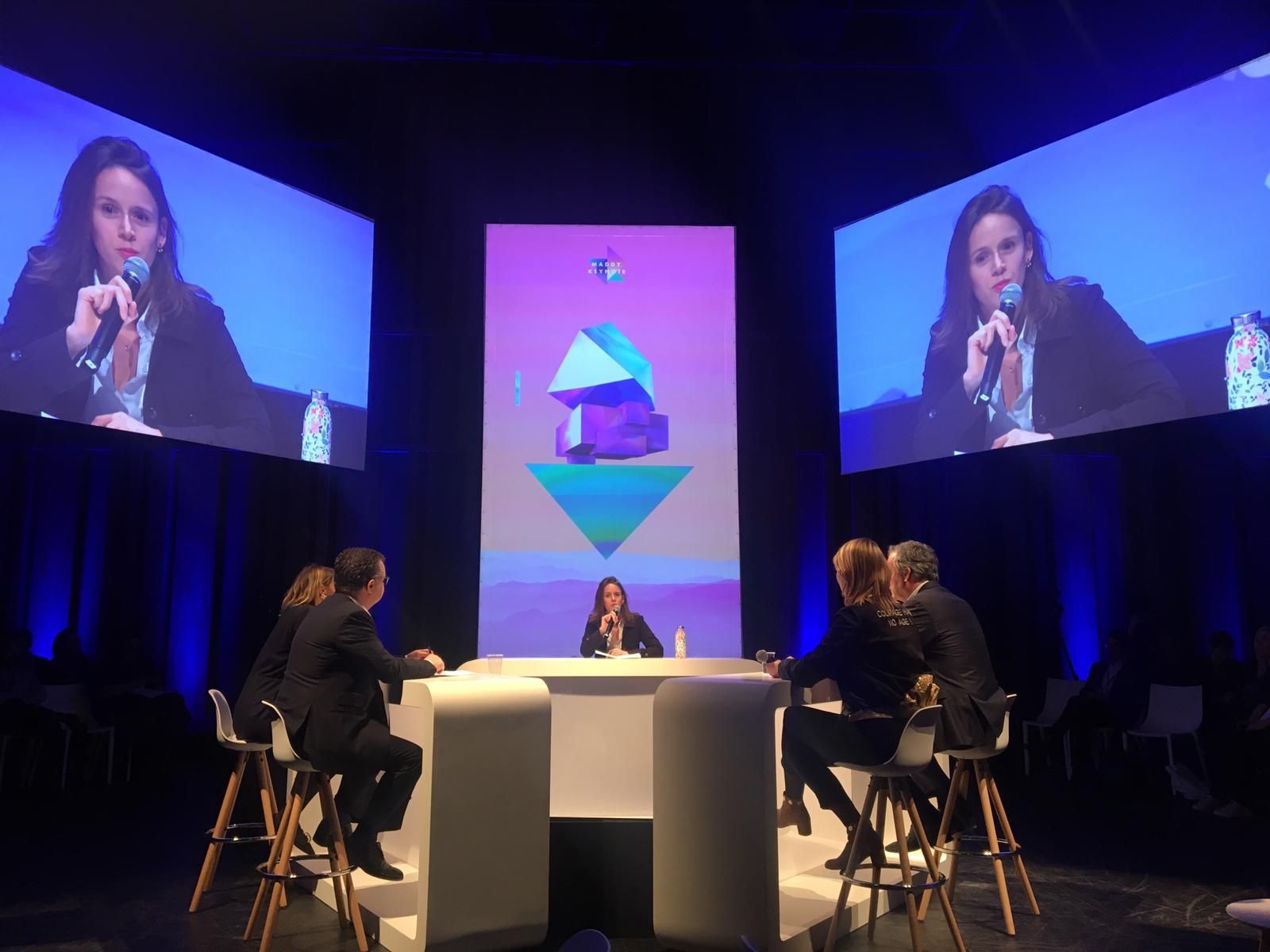
The cognitive new deal. A keynote, a panel seat or an interviewer on what AI gives, what it takes and who decides.
For the founder or CEO who decides alone.
A standing thinking partner on the decisions AI adoption arrives without answers to.
For an academy or consultancy that wants a module or a senior name on a theme.
Curriculum and module design for executives and their teams.
Three settings, three voices.
“Margaux was very attentive and provided us with a comprehensive overview of the initial studies on the subject, while also offering practical advice on how to use AI effectively. I had complete confidence in the preparation and smooth execution of her presentation.”
“I’ve heard nothing but praise about Margaux's presentation. People, internally, among management and among our clients, spontaneously mentioned her, if they had to pick just one presentation to remember. Both the substance and the delivery, the way she made complex concepts easy to understand, left a lasting impression.”
“Margaux's work revolves around the cognitive impact of working alongside AI, a topic many builders and organisations feel, but few talk about. Margaux has both the understanding and the practice, which is a rare and very precious combo.”
Names and referrals on request.
AI adoption is accelerating and the conversation about its cognitive impact is lagging behind. Most AI discourse sits at productivity gains, tool comparisons or existential risk, and misses the middle ground where practitioners actually live: the daily experience of thinking alongside machines.
The gains are real and measurable: AI lets us go faster and further with small teams. Alongside them, intensive use is changing how people think, learn and collaborate, and there is still no dedicated space for leaders and experienced practitioners to put words on that and work it out together. As agents move from writing the work to running it, the question shifts again, from what the output says to what a person is still able to check.
The figures
faster on tasks within AI’s reach, at quality judged higher
Dell’Acqua et al., BCG and Harvard, 2023
higher human-rated performance on those same tasks
Dell’Acqua et al., BCG and Harvard, 2023
more major errors among workers experiencing Brain fry
HBR and BCG, March 2026
drop in skill formation with AI assistance, paid first by whoever is still learning the job
Shen and Tamkin, Anthropic, January 2026
What I keep seeing
AI measurably improves output, speed and how the work feels. Aimed at extending people rather than replacing them, it creates more value than automation does.
AI makes delegation frictionless. You prompt, it produces, you forward. Each handover also costs something at the moment it happens. Not better, or worse. Different.
Nobody sits down and decides to hand over their judgment. The interface makes one path frictionless, that path gets taken and a default is a decision made by whoever designed the tool.
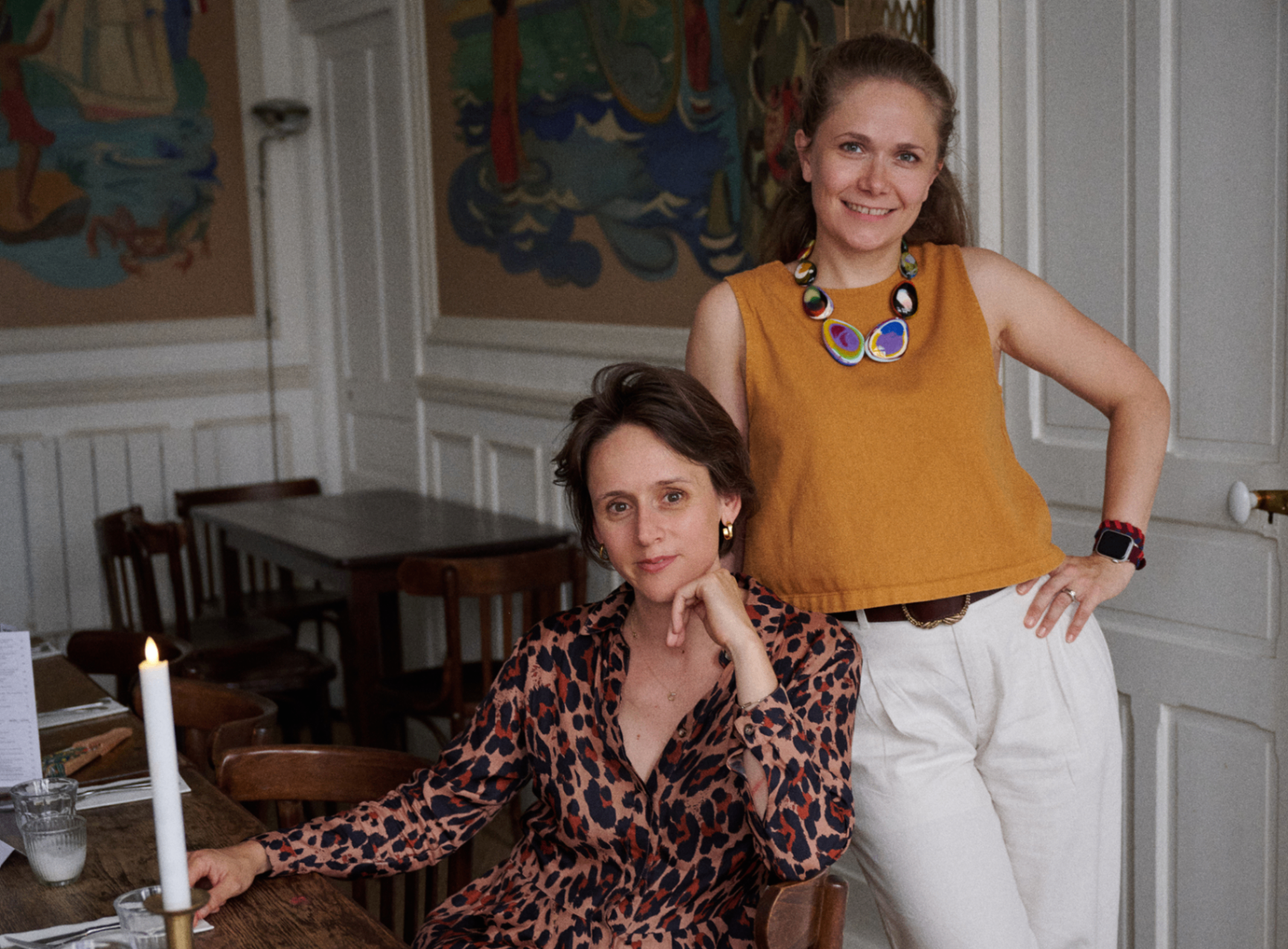
Curated, intimate events
Formats that keep the thinking close to those on the front lines of AI research, adoption and perspectives.

The research is public
The vocabulary of the augmentation AI makes possible, and the tradeoffs that come with it.
Each entry says what the term means in plain words, what is at stake, where the word came from and what the research actually found.
The reading behind the glossary and the figures, in one public base.
Every paper and article read for this work, with the note that went with it. Added to as the reading goes.
The latest reflections on AI adoption and cognition, on Substack.
Who runs episcope and where it is coming from.
episcope is an AI research and consulting studio led by Margaux Pelen, with a method built between fieldwork, research and strategic clarity.

Berlin · Paris · San Francisco
Margaux Pelen runs episcope, an AI research and consulting studio based in Paris and Berlin, with regular travel to California. Her work is on how AI augments people’s capabilities while preserving judgment, attention and control.
She has spent fifteen years at the intersection of technology, work and learning. She studied at HEC Paris and Télécom Paris, founded her first startup during the first wave of French Tech and won a full scholarship to Singularity University at NASA Research Park (there, she met AI).
She tests her framing in the room rather than only on the page, through the Tandem dinners in Paris, co-hosted with Marine Buclon, and One Last Prompt in Berlin. Both are run as applied research and sensemaking rather than marketing.
The questions she brings to every stage: where does AI expand our thinking, what are the tradeoffs?
from Greek epi- "upon" + skopein "to view"
1. an optical device that uses reflection to project images of opaque objects onto a screen.
2. an AI research and consulting studio that acts like a reflective lens. An invitation to reframe strategy, projects and ideas with clarity and creativity when it comes to the impacts of AI on our minds.
If you are already past the basics and looking for a thinking partner who has been living in this territory, let’s talk.
Or ping me on LinkedIn